
The $12 Billion Dilemma: How Big Oil’s Profit Surge Is Triggering a White House Showdown
As crude market disruptions push nationwide gas prices past $4 a gallon, soaring profits at energy giants like Chevron are putting Washington’s pro-business stance to the ultimate test.
Key Takeaways
- Record Earnings: Chevron reported $12.2 billion in net income for Q2 2026, driven by global supply disruptions and high refinery utilization.
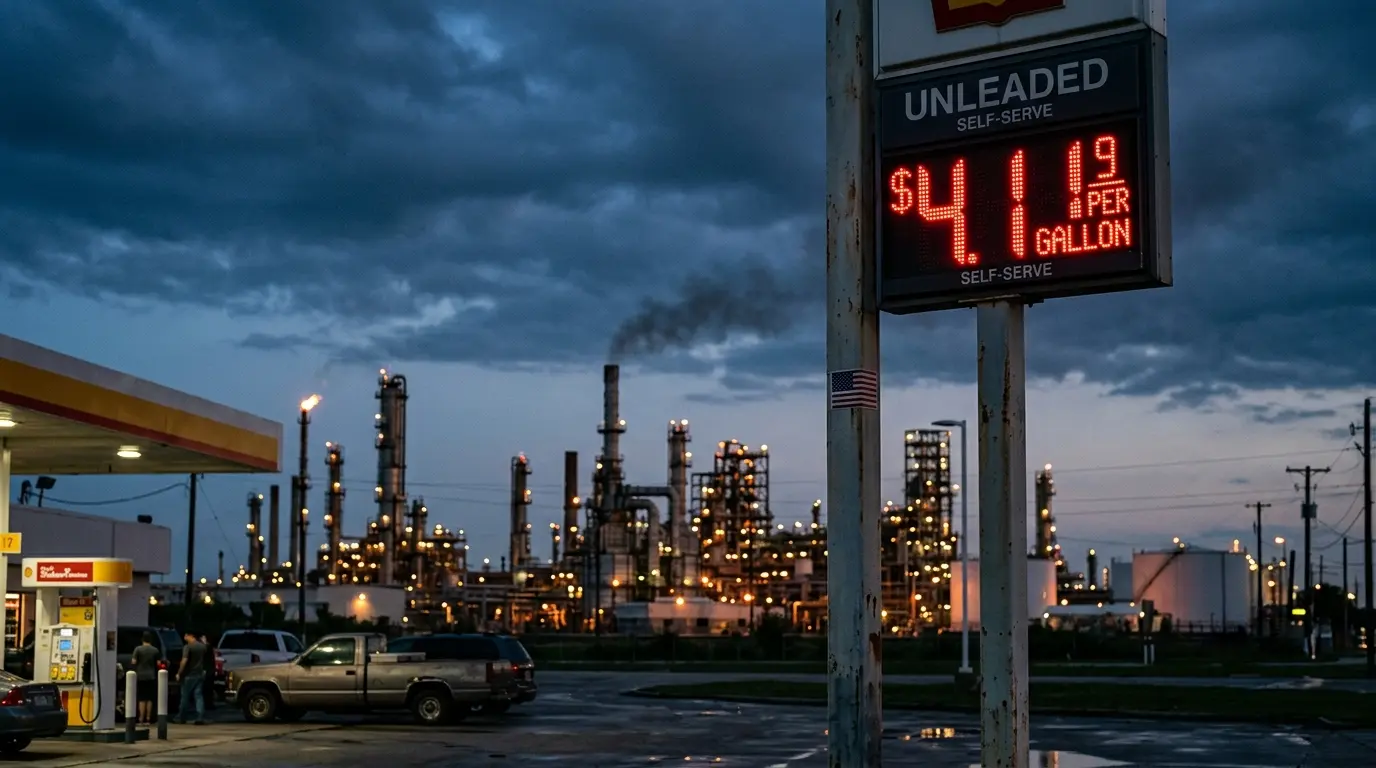
- Consumer Pinch: Average U.S. gasoline prices have climbed to over $4.10 per gallon, accelerating inflation concerns among American voters.
- White House Friction: President Donald Trump has publicly criticized oil executives, demanding immediate retail price reductions despite his free-market platform.
- Structural Bottlenecks: Energy analysts note that refining capacity—not just crude oil production—remains the primary driver of high pump prices.
A Political Collision at the Pump
When energy giant Chevron Corporation (NYSE: CVX) released its second-quarter financial earnings reporting $12.2 billion in net income, Wall Street celebrated one of the company’s strongest financial performances in years. But for main street consumers paying upwards of $4.10 per gallon for unleaded gasoline, the news hit a very different nerve.
The convergence of global supply interruptions tied to ongoing military action in the Middle East and shipping bottlenecks through critical energy chokepoints like the Strait of Hormuz has sent refined product margins soaring.
While high crude and fuel prices boost earnings for integrated majors like Chevron and ExxonMobil, they simultaneously fuel public frustration over everyday affordability. That financial strain on voters has created an unexpected line of tension between the White House and corporate boardrooms.
Why Gas Prices Are Decoupled from Free-Market Messaging
President Donald Trump, traditionally a staunch defender of domestic oil production and deregulation, has taken the unusual step of publicly scolding major energy producers. Taking to social media and Oval Office briefings, the president called on executives—including Chevron CEO Mike Wirth—to immediately drop retail gas prices for consumers. Source
“I’m a big free enterprise guy, nobody bigger. But based on a shortage, they’re making too much money… they better cut the retail price.”
This public messaging highlights a core political challenge:
- Affordability vs. Ideology: High fuel costs directly exacerbate voter anxiety over food, housing, and general living expenses.
- The Scapegoat Strategy: By targeting industry profits, the administration attempts to shift accountability for gas price inflation away from foreign policy decisions and onto corporate margins.
- The Export Paradox: Calls for price cuts clash with free-market dynamics where global supply disruptions dictate domestic wholesale pricing.
It’s Not Just Crude Oil: The Refining Bottleneck Explained
Understanding why Chevron and its industry peers are posting banner profits requires looking beyond crude oil prices. According to energy sector analysts, the real driver of current price spikes at the pump lies in refining capacity constraints.
Middle Eastern refining capacity has faced severe operational cutbacks due to regional conflict, leaving global markets starved for refined products like gas, diesel, and jet fuel.
American refiners have responded by running facilities near maximum capacity to fill the void. Because refining margins (the “crack spread”) have widened dramatically, integrated energy companies earn exceptionally high profits on every barrel processed—even as global crude prices fluctuate in standard ranges.
What Comes Next for Consumers and Investors?
As the 2026 midterm campaign season intensifies, gas prices will remain a primary economic barometer for the American electorate.
While short-term policy levers—such as Strategic Petroleum Reserve (SPR) releases or temporary maritime shipping waivers—can provide brief relief at the pump, structural energy market dynamics won’t reset overnight. Chevron and other energy majors remain caught in a complex delicate balance: maximizing returns for shareholders while weathering intense political heat from Washington. Source

sedhabhai is a financial strategist with over 5 years of experience helping people navigate the complexities of personal wealth. With a background in Investment Banking or Accounting, they specialize in breaking down high-level market trends into actionable advice for everyday savers. When they aren’t analyzing spreadsheets, you’ll find them studying . sedhabhai believes that financial freedom isn’t about how much you make, but how well you manage what you have. Contact: @finance_th94097