
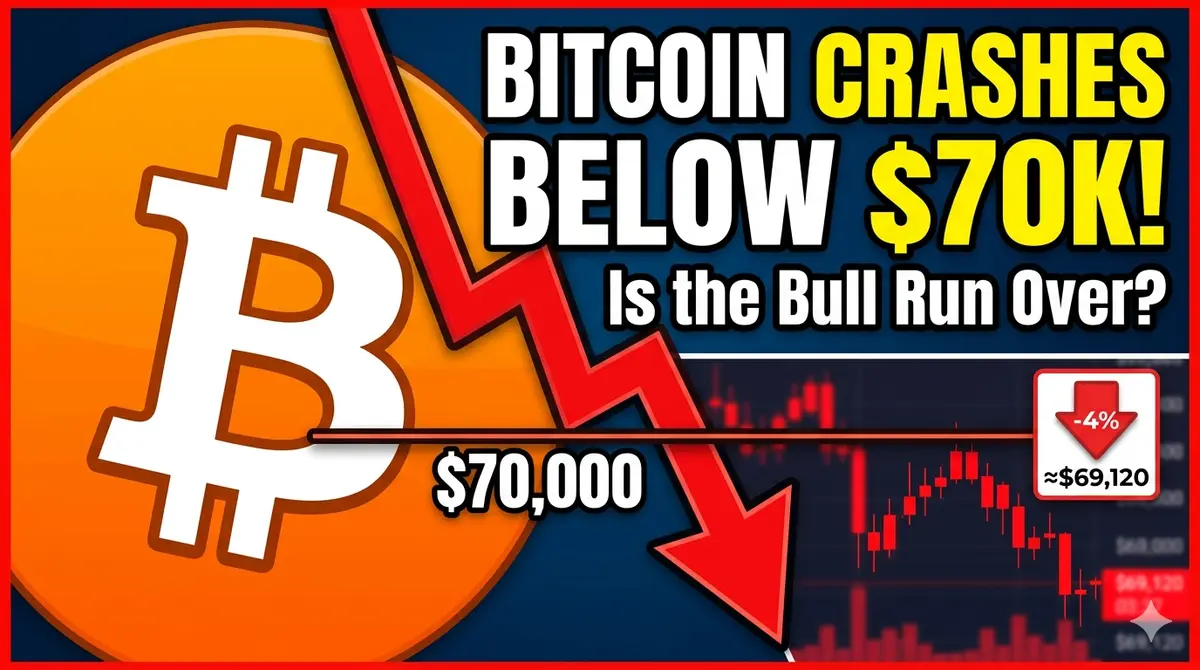
The world’s largest cryptocurrency fell approximately 4% to trade near $69,000, breaking a key psychological threshold. Analysts point to several factors creating a “risk-off” environment for digital assets.
1. Macroeconomic Headwinds
Higher-than-expected U.S. inflation data has cooled hopes for immediate interest rate cuts by the Federal Reserve. When inflation remains sticky, investors often move away from volatile assets like crypto in favor of safer havens.
2. Geopolitical Tensions
Renewed friction in the Middle East—specifically involving the Strait of Hormuz—has added a “geopolitical premium” to oil prices. Rising energy costs typically act as an additional inflationary trigger, further dampening investor appetite for risk.
3. Institutional Selling Activity
In a rare move, Strategy (a leading Bitcoin treasury holder) sold a small portion of its holdings—32 BTC—to fund shareholder dividends. While the company still holds over 840,000 tokens, the first sale in over three years sent a cautious signal to the broader market.
Impact on the Crypto Ecosystem
The slide wasn’t limited to Bitcoin. The broader market felt the heat as investors de-risked:
- Solana (SOL): Slipped below $80, a level not seen since early April.
- Crypto Equities: Mining companies like MARA Holdings and exchanges like Coinbase saw downward pressure, as their valuations are closely tied to spot prices and trading volumes.
- Corporate Portfolios: The dip slightly reduced the value of Bitcoin holdings for major tech companies like SpaceX, though analysts note it is unlikely to impact long-term corporate listings or roadshows.

Sedha Patel is a personal finance strategist with over 5 years of experience analyzing consumer banking trends, liquidity management, and wealth preservation. With a professional background in accounting and corporate finance, Sedha specializes in translating macro monetary policy into practical money moves for everyday savers. When not dissecting market data, Sedha researches fixed-income allocation models and tax-advantaged investing strategies.