
WASHINGTON, D.C. — The latest Consumer Price Index (CPI) report released today, May 12, 2026, has sent shockwaves through Wall Street, revealing a hotter-than-expected inflation spike that is putting the American consumer—and the Federal Reserve—in a tight spot.
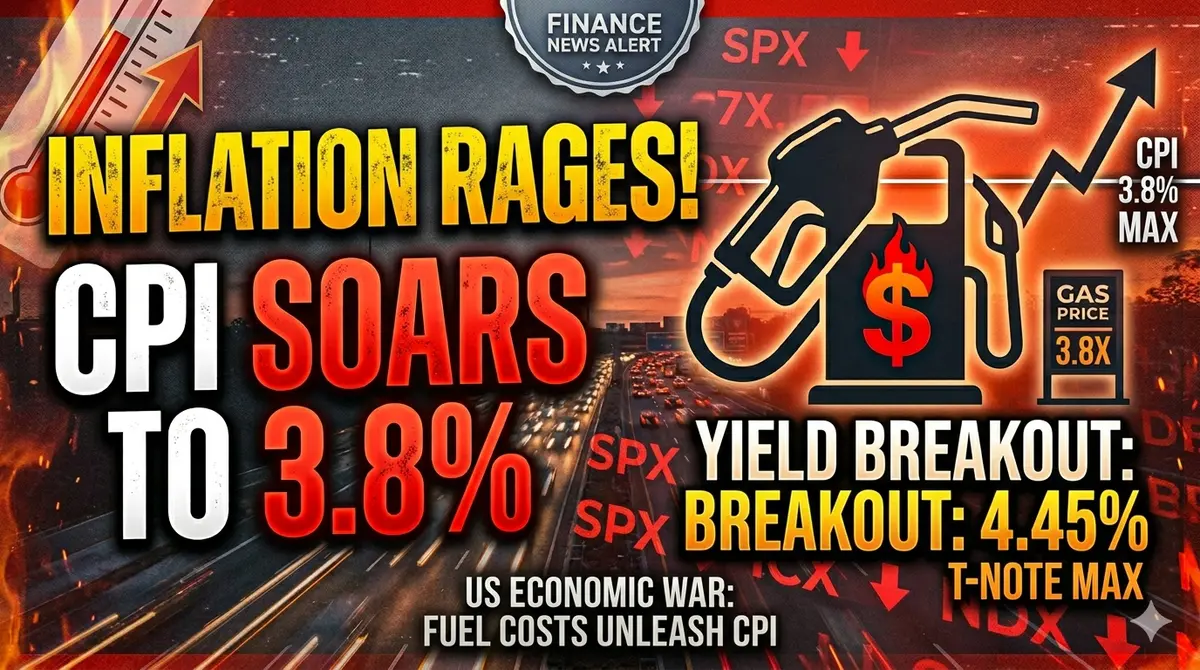
Headline inflation accelerated to 3.8% year-over-year in April, up significantly from March’s 3.3% and surpassing economist forecasts of 3.7%. This marks the fastest pace of price increases since 2023, driven largely by a volatile global energy market and a deepening stalemate in the Middle East.
Energy Prices: The 40% Culprit
The primary driver of this month’s “inflation heatwave” is the surging cost of gasoline and energy commodities. According to the Bureau of Labor Statistics, energy accounted for over 40% of the total monthly increase.
With U.S. crude oil prices climbing past $101 per barrel, the “pain at the pump” is officially back. Tensions in the Middle East—specifically involving the Strait of Hormuz and a fragile U.S.-Iran ceasefire described by President Trump as being on “life support”—have ignited fears of a prolonged supply crunch.
Key Figures at a Glance:
- Headline CPI (YoY): 3.8% (Actual) vs. 3.7% (Forecast)
- Core CPI (YoY): 2.8% (Excludes food and energy)
- Monthly Jump: Prices rose 0.6% in April alone.
10-Year Treasury Yield Sprints Higher
The bond market reacted instantly to the news. The 10-year Treasury yield surged to 4.45%, nearing its highest level since March. For everyday Americans, this isn’t just a number on a screen; higher Treasury yields typically lead to higher mortgage rates and increased borrowing costs for small businesses.
”Inflation is roaring back, largely driven by stubbornly high oil prices,” noted market analysts this morning. The sudden spike has forced investors to pivot. Where markets were once hoping for rate cuts in late 2026, the conversation has now shifted toward the possibility of a rate hike in December.
Stock Market Reaction: A Sea of Red
Following the report, U.S. stock futures took a dive. The Nasdaq 100 and S&P 500 retreated from recent all-time highs as tech investors weighed the impact of “higher-for-longer” interest rates. Chipmakers, in particular, saw a sharp slide in early trading hours.
However, it wasn’t bad news for everyone. Energy stocks remain a bright spot for some value investors, as the oil crisis continues to pad the bottom lines of major producers.
What’s Next? The Economic Calendar
All eyes now turn to Wednesday’s Producer Price Index (PPI). If wholesale prices show similar upward pressure, it would confirm that inflation is being baked into the entire supply chain—from the factory gate to the grocery aisle.
For the average American household, the message is clear: the era of cooling prices has hit a major roadblock. As geopolitical tensions simmer, the battle against inflation is entering a challenging new chapter in 2026.
Stay tuned for real-time updates as we monitor the Fed’s response to this morning’s data.

Sedha Patel is a personal finance strategist with over 5 years of experience analyzing consumer banking trends, liquidity management, and wealth preservation. With a professional background in accounting and corporate finance, Sedha specializes in translating macro monetary policy into practical money moves for everyday savers. When not dissecting market data, Sedha researches fixed-income allocation models and tax-advantaged investing strategies.
1 thought on “CPI Report Alert: Inflation Soars to 3.8% as Energy Costs Rip Through US Economy”