
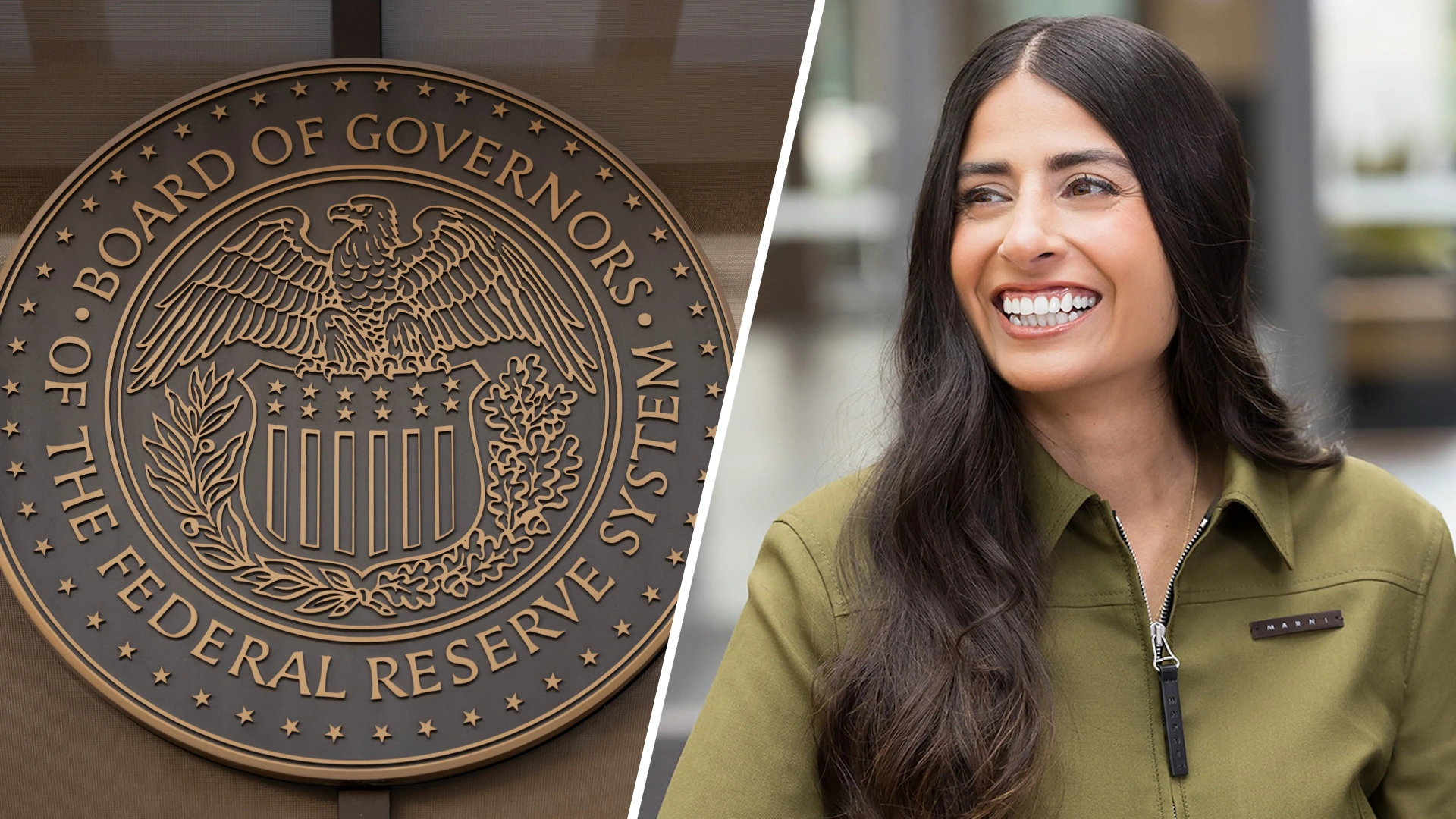
The tech and finance worlds are rubbing their eyes in disbelief at the latest economic headline. In a move that has sparked widespread public irony and intense social media debate, Xbox CEO Asha Sharma has been officially appointed to co-lead a newly formed U.S. Federal Reserve task force focused on Productivity and Jobs.
The jaw-dropping twist? The high-profile government appointment comes just days after Sharma executed the largest restructuring in Xbox history—slashing roughly 3,200 corporate roles.
The Stark Contrast Driving Global Headlines
On July 9, 2026, Federal Reserve Chairman Kevin Warsh announced five external advisory panels designed to modernize how the central bank handles economic policy. Yet, it is the Productivity and Jobs panel that has stolen the spotlight, largely due to its controversial timing:
- July 6–7, 2026: Sharma announces a massive organizational overhaul at Xbox, instantly eliminating 1,600 positions, with another 1,600 cuts rolling out through the fiscal year 2027.
- July 9, 2026: The Federal Reserve taps Sharma as a top adviser to help guide the future of American employment and evaluate workplace dynamics.
Critics have quickly pointed out the jarring optics of putting a corporate executive fresh off a massive workforce downscaling in charge of a “jobs” initiative. However, the Federal Reserve is looking past the immediate backlash, focusing heavily on Sharma’s unique technical background.
Inside the Fed’s AI Power Trio
The task force’s true mission isn’t just counting employment numbers—it is designed to crack the code on how Artificial Intelligence (AI) is structurally shifting the economy.
Because the Federal Reserve balances a dual mandate of maximum employment and stable prices, knowing whether AI is boosting worker output or permanently destroying traditional careers is vital for deciding future interest rates.
To figure this out, Chairman Warsh built an unconventional three-person brain trust:
- Asha Sharma (The Operator): Before taking the helm as Xbox CEO in February 2026, Sharma served as Microsoft’s President of CoreAI Product. She has front-line operational knowledge of what happens when a tech giant deploys automation at a massive, global scale.
- Marc Andreessen (The Capitalist): The billionaire co-founder of venture capital giant a16z, bringing direct insight into where the private sector is investing billions in new AI infrastructure.
- Charles I. Jones (The Academic): A premier growth economist from Stanford University, who is currently on sabbatical working directly at frontier AI safety firm Anthropic.
Why Big Tech’s Strategy is Changing the Fed’s Playbook
The ongoing drama highlights a massive, structural shift happening across Silicon Valley. Companies like Microsoft are aggressively pivoting away from heavy traditional labor costs, reinvesting those exact billions into massive AI data centers and digital systems.
Proponents of the Fed’s choice argue that if you want to understand how automation is actively reshaping the American workforce, you need the exact executive who is actively making those corporate transitions. Opponents see it as another sign of Big Tech gaining an oversized influence over federal policies that impact everyday workers.
The task force will function independently of the Fed, reporting its direct analytical findings straight to the Federal Open Market Committee (FOMC) to help dictate long-term U.S. monetary policy.

Sedha Patel is a personal finance strategist with over 5 years of experience analyzing consumer banking trends, liquidity management, and wealth preservation. With a professional background in accounting and corporate finance, Sedha specializes in translating macro monetary policy into practical money moves for everyday savers. When not dissecting market data, Sedha researches fixed-income allocation models and tax-advantaged investing strategies.